

About this book
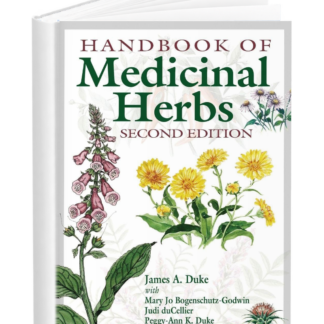
Handbook of Medicinal Herbs 2nd Edition PDF by James A. Duke is an extensive ethnobotanical reference on medicinal plants compiled by James A. Duke. The 2nd Edition expands the original work to more than 800 important medicinal plant species and brings together scientific data, phytochemicals, traditional indications, dosage information, safety considerations, and regional herbal traditions in an accessible alphabetical format. The second edition presents information on more than 800 medicinal plant species, including traditional uses, phytochemicals, documented indications, dosage information and safety considerations. The alphabetical format makes it practical for rapid botanical reference, while the breadth supports study of pharmacognosy, ethnobotany and natural-product research. It is best used as an academic and research reference rather than a substitute for individualized medical guidance.
Handbook of Medicinal Herbs 2nd Edition PDF overview
Entries are arranged by common plant name with scientific names and synonyms, making the handbook practical for rapid lookup. Individual profiles summarize plant identity, traditional and folk uses, known phytochemicals, reported biological activities, potential indications, dosage information, toxicity and safety concerns, and related ethnobotanical notes. The second edition expands coverage of African, Ayurvedic, Chinese, Jamu, and other traditions and includes hundreds of illustrations and color plates. The book deliberately places scientific findings beside historical and traditional uses rather than treating them as equivalent forms of evidence.
What this edition covers
- Plant identification and nomenclature
- Traditional and folk medicinal uses
- Phytochemicals and bioactive compounds
- Reported pharmacologic activity
- Dosage information
- Safety and toxicity
- African herbal traditions
- Ayurvedic medicine
- Chinese medicinal plants
- Jamu and other regional traditions
Why Handbook of Medicinal Herbs 2nd Edition is useful
This edition is useful for readers who need a broad reference to medicinal plants rather than a clinical treatment manual. Pharmacognosy students, botanists, pharmacists, researchers, and herbal-medicine scholars can compare plant names, constituents, historical uses, and reported biological activity across hundreds of species. The alphabetical organization makes it easy to consult a specific herb, while the expanded global coverage supports comparative ethnobotany. Because herbal evidence and safety knowledge continue to evolve, clinical use should still be checked against current evidence, interaction data, toxicology resources, and professional guidance.
Who uses this book
- Pharmacognosy Students
- Botany Students
- Herbal Medicine Researchers
- Ethnobotanists
- Natural Products Scientists
- Pharmacy Students
- Plant Science Researchers
- Educators Teaching Medicinal Plants
- Researchers Studying Traditional and Botanical Medicine
Also suitable for other advanced learners and professionals who need a comprehensive reference in this subject area.
Key topics in the book
- Medicinal plants
- Ethnobotany
- Phytochemicals
- Traditional medicine
- Herbal safety
- Toxicity
- Dosage
- Ayurveda
- Chinese herbs
- African herbs
- Jamu
- Natural products
PDF Edition Features
- Searchable text: Find terms and sections quickly in a compatible PDF reader.
- Highlighting and notes: Use annotations, bookmarks, and highlights in supported PDF apps.
- Flexible access: Read on compatible computers, tablets, and smartphones.
- Edition clarity: Confirm the exact title and 2nd Edition before purchase.
- Instant access: After successful payment, the download link appears in your order details and is sent to your checkout email.



Reviews
There are no reviews yet.