
About this book
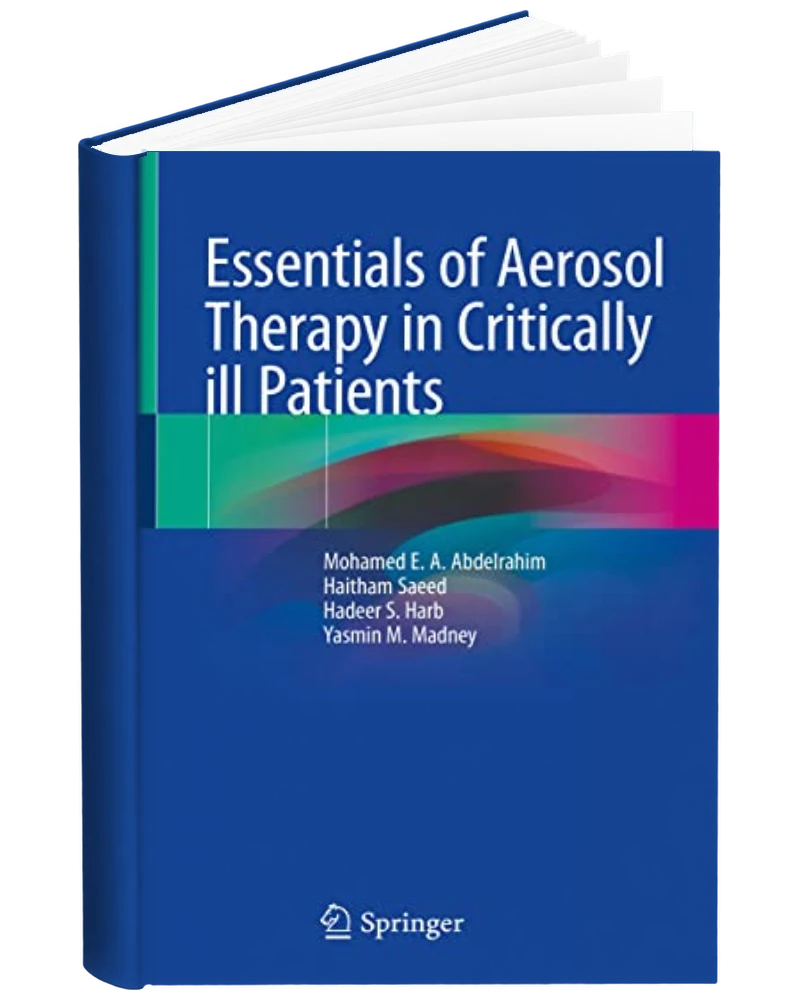
Essentials of Aerosol Therapy in Critically Ill Patients 1st Edition PDF by Mohamed E. A. Abdelrahim, Haitham Saeed, Hadeer S. Harb, and Yasmin M. Madney is offered here as a PDF eBook. This specialist reference focuses on how inhaled medications are delivered to critically ill patients whose respiratory support, airway devices and physiological condition can substantially alter aerosol deposition. It reviews aerosol generators, mechanisms of lung deposition, patient-specific factors, oxygen-delivery systems, mechanical ventilation, high-flow oxygen, neonatal and pediatric considerations, inhaled medications, monitoring and transitions from hospital to home. The text emphasizes selecting an appropriate delivery method for the clinical situation rather than assuming that outpatient aerosol practices translate directly to the intensive care unit. It is especially useful for respiratory therapists, intensivists, pulmonologists and clinical pharmacists who need to connect aerosol science with complex respiratory support.
Designed for respiratory therapists, intensivists, pulmonologists, and clinical pharmacists working with critical care patients, this edition provides a structured resource for understanding the technical and patient-related considerations affecting aerosol therapy during respiratory support.
This listing is for the 1st edition of Essentials of Aerosol Therapy in Critically Ill Patients. Check the title, edition, authors/editors, and other product information before ordering if you need the book for a particular course, syllabus, examination, or professional reference.
Aerosol Delivery Within the Critical Care Setting
Essentials of Aerosol Therapy in Critically Ill Patients examines inhaled treatment in patients whose respiratory support complicates drug delivery. Its first edition connects patient needs with ventilation, oxygen systems, aerosol equipment, and deposition in the lungs. Separate discussions address younger patients, high-flow oxygen, and transitions from hospital care. The book also considers how delivery can be detected and how monitoring relates to ventilatory support. Its organizing problem is the interaction between treatment, equipment, and patient circumstances: an aerosol system must be understood within the respiratory environment in which it is used. This focus makes the volume a specialist resource for critical care respiratory practice.
Delivery Systems and Patient-Specific Considerations
The 1st edition covers the following areas:
- Patient and support context: Patient groups requiring aerosol therapy, mechanical ventilation, and nasal oxygen delivery.
- Aerosol equipment: Generators used with patients receiving critical care.
- Deposition mechanisms: How inhaled aerosol reaches and deposits within the lung.
- Delivery variables: Effects of the ventilator, circuit, device, medication, and patient on drug delivery.
- Medication and high-flow support: Inhaled treatments and aerosol administration during high-flow oxygen therapy.
- Younger patients: Distinct considerations for neonates, infants, and toddlers.
- Measuring and monitoring: Detection of lung delivery, monitoring plans, and ventilatory weaning protocols.
- Care transitions: Training and follow-up when aerosol treatment moves from hospital to home.
Understanding Why Aerosol Delivery Varies
For a team studying aerosol treatment during respiratory support, the important question extends beyond which medication is prescribed. The drug must travel through a delivery arrangement and reach the intended site. This reference is useful for examining that process systematically, including the interacting equipment and patient variables that can influence it. Readers can connect the discussion of deposition with the device and support mode under consideration, then use the monitoring chapters to understand how delivery and response are evaluated. Its specialist scope also makes it relevant to interdisciplinary teaching, where respiratory therapists, pharmacists, and physicians need a shared understanding of the technical factors behind inhaled treatment.
Who uses this book
- Respiratory Therapists Working in Critical Care
- Intensivists
- Pulmonologists
- Critical Care Physicians and Trainees
- Clinical Pharmacists Studying Inhaled Drug Delivery
- Critical Care Nurses
- Respiratory Therapy Students
- Clinicians Managing Mechanically Ventilated Patients
- Educators Teaching Aerosol and Respiratory Support
Also suitable for other ICU professionals who need a focused reference on aerosol generators, lung deposition, respiratory support and safe inhaled-drug delivery in critically ill patients.
Key Topics Covered
- Aerosol generators
- Lung deposition mechanisms
- Mechanical ventilation
- Nasal oxygen delivery
- Ventilator-related delivery factors
- Circuit-related delivery factors
- Patient-related deposition factors
- Inhaled medications
- High-flow oxygen and aerosols
- Neonatal and infant aerosol needs
- Detection of pulmonary delivery
- Respiratory monitoring
- Ventilatory weaning
- Hospital-to-home aerosol therapy
PDF Edition Features
- Searchable reading: Quickly locate names, concepts, conditions, terminology, and other material with a compatible PDF reader.
- Highlighting and notes: Use annotation, bookmarking, and highlighting features supported by your chosen PDF application.
- Flexible access: Read the eBook on compatible computers, tablets, and mobile devices.
- Edition identification: Check the edition and product information before ordering to ensure it matches your requirements.
- Instant access: After successful payment, the download link is available through your order and sent to the email address used at checkout.


Reviews
There are no reviews yet.