
Nursing courses use very different kinds of books. A fundamentals text helps build the language of nursing practice; a medical-surgical reference goes deeper into adult clinical problems; an NCLEX review book is organized around exam-style recall and clinical judgment; and a care-planning handbook is designed for fast use during assignments and clinical preparation. Choosing by purpose is more useful than choosing by popularity alone.
Start with the task you need the book to do
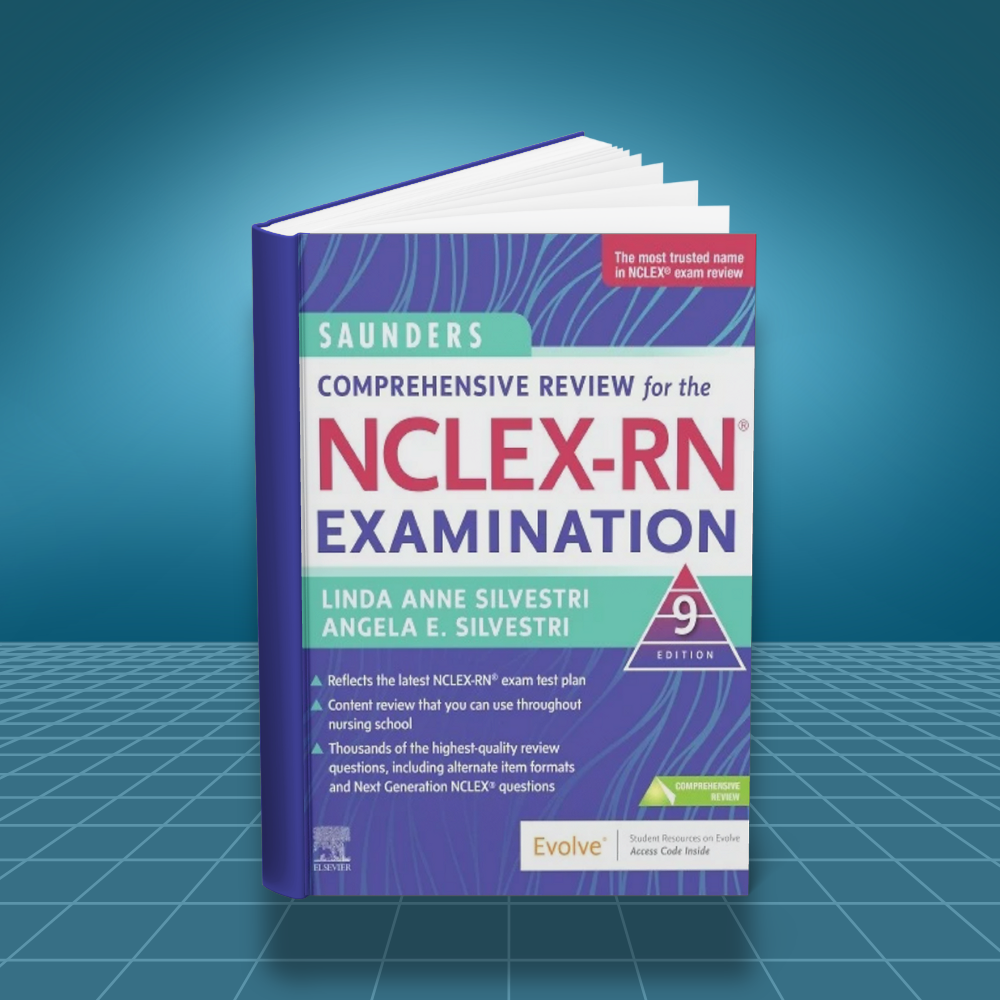
For core classroom learning, look for a comprehensive nursing textbook that explains concepts, assessment, interventions, safety, and patient education. For clinical days, compact handbooks and drug references are often easier to use. For licensing review, resources such as Saunders Comprehensive Review for the NCLEX-RN Examination are structured around review and practice rather than full-course teaching.
Common nursing reference types
- Fundamentals: nursing process, safety, communication, basic skills, person-centered care, and evidence-based practice.
- Medical-surgical nursing: assessment and management of adult conditions across organ systems.
- Care planning: nursing diagnoses, interventions, rationales, outcomes, and prioritization.
- Pharmacology: drug classes, safe administration, adverse effects, monitoring, and patient teaching.
- Critical and progressive care: higher-acuity assessment, monitoring, respiratory support, rhythms, and rapid changes in condition.
- NCLEX review: high-yield content, prioritization, delegation, safety, and question practice.
Compare the edition before buying
Edition matters most when your syllabus, instructor, or assignment references specific chapter numbers, clinical standards, or online resources. If a course simply requires a subject reference, compare scope and organization rather than assuming the newest edition is automatically the best fit.