
Anatomy and physiology resources are not interchangeable. Some books teach relationships between structures, some focus on mechanisms and homeostasis, and others are visual atlases designed for identification. The best choice depends on whether you are preparing for lecture, lab, imaging, clinical examination, or a professional program.
Anatomy atlas or full textbook?
An atlas such as Netter Atlas of Human Anatomy or Gray’s Atlas of Anatomy is strongest for visual identification and spatial relationships. A clinically oriented text such as Moore’s Clinically Oriented Anatomy adds regional relationships and clinical correlations.
When physiology needs its own reference
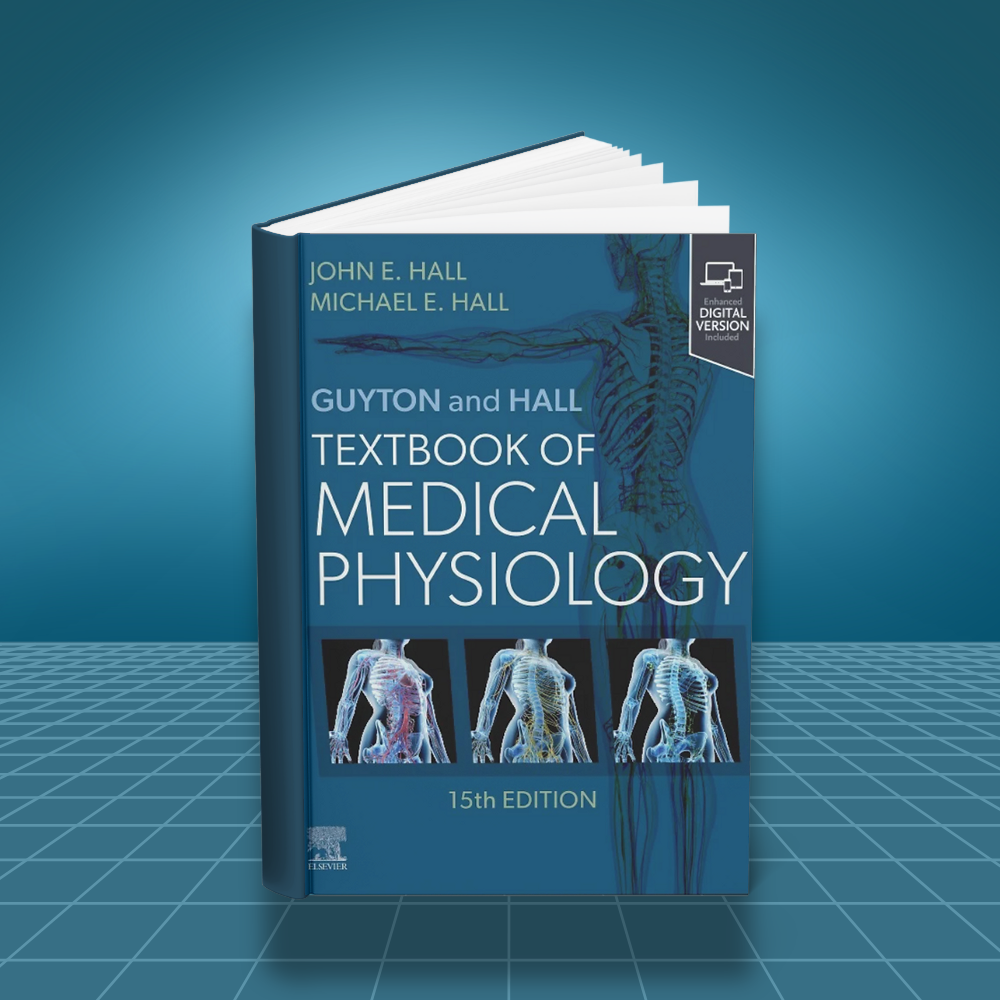
Guyton and Hall Textbook of Medical Physiology and Ganong’s Review of Medical Physiology are examples of resources used when understanding function matters more than memorizing structures.
- Introductory A&P: system-by-system explanations with diagrams and review support.
- Gross anatomy: regional anatomy, landmarks, relationships, and a strong atlas.
- Neuroanatomy: pathways, localization, clinical cases, and sectional views.
- Lab study: manuals and atlases that support identification and practical exams.
- Medical physiology: mechanism-focused texts that explain regulation and clinical relevance.
[…] more options in the KINDLEIT Anatomy & Physiology textbook guide or browse the Anatomy & Physiology […]