
About this book
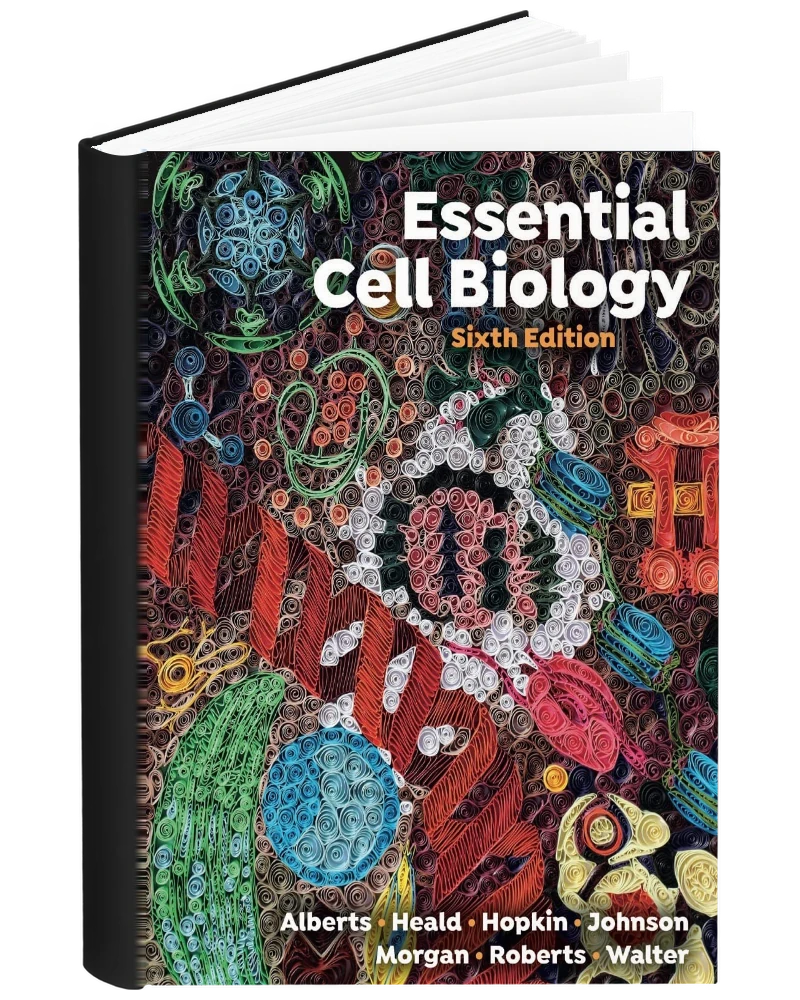
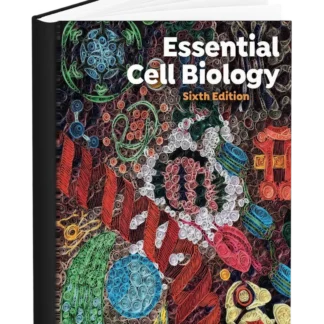
Essential Cell Biology 6th Edition PDF by Bruce Alberts, Rebecca Heald, Karen Hopkin, Alexander Johnson, David Morgan, Keith Roberts, and Peter Walter is offered here as a PDF eBook. The sixth edition provides a clear first course in modern cell biology, explaining how cells are organized, how genetic information is stored and expressed, how proteins function, how membranes control transport and how cells generate energy, communicate, divide and interact with their environments. The edition incorporates current research and emphasizes visual learning through detailed illustrations and concept-focused explanations. It introduces molecular mechanisms without assuming the depth of a specialist text, making it especially useful for students building foundations before advanced study in molecular biology, genetics, physiology or biomedical science. By connecting chemistry and genetics with whole-cell behavior, the book helps learners understand cells as integrated dynamic systems rather than isolated structures.
Designed for undergraduate biology students, students entering biomedical disciplines, and instructors teaching introductory cell biology, this edition provides a structured resource for understanding how molecular components cooperate to produce cellular structure, function, and reproduction.
This listing is for the 6th edition of Essential Cell Biology. Check the title, edition, authors/editors, and other product information before ordering if you need the book for a particular course, syllabus, examination, or professional reference.
From Molecules to Cell Communities
Essential Cell Biology introduces the workings of cells through a progression from molecular components to coordinated cellular behavior. Early chapters examine chemistry, energy, proteins, and genetic information; later chapters connect those foundations to membranes, metabolism, intracellular organization, and communication. The sixth edition also incorporates research on SARS-CoV-2, CRISPR, mechanically gated ion channels, and computational prediction of protein structure. Its final topics extend the discussion to reproduction, tissues, stem cells, and cancer. This scope makes the text appropriate for an introductory cell biology course in which students need to understand how individual molecular processes contribute to the behavior of living systems.
Cellular Mechanisms Covered
The 6th edition covers the following areas:
- Molecular foundations: The chemistry of cells, catalysis, and the relationship between protein form and function.
- Genetic information: DNA organization, copying and repair, and the production and regulation of gene products.
- Genome investigation: Evolution of genomes and approaches to investigating genes.
- Membranes and compartments: Membrane organization, movement across membranes, and intracellular protein transport.
- Energy conversion: Food-derived energy and the roles of mitochondria and chloroplasts.
- Cell communication and structure: Signaling mechanisms and the cytoskeleton.
- Cell reproduction: The cell cycle, sexual reproduction, and inheritance.
- Multicellular organization: Tissues, stem cells, and cancer as aspects of cell communities.
Building a Mechanistic Understanding of Cells
This textbook is useful when a learner needs to explain a cellular event in terms of the molecules and structures that make it possible. Understanding gene expression, for example, requires connecting DNA organization with protein production and regulatory processes. The book’s progression supports that connection before extending it to membrane behavior, energy supply, and communication between cells. Its treatment of tissues and cancer then provides a bridge toward biomedical subjects studied later. Instructors can use this breadth to connect molecular explanations across a first cell biology course, while students can return to the relevant foundations when a more specialized topic assumes knowledge of cellular mechanisms.
Who uses this book
- Undergraduate Cell Biology Students
- Biology Majors
- Biomedical Science Students
- Pre-Medical and Pre-Health Students
- Students Preparing for Molecular Biology Coursework
- Genetics Students Reviewing Cellular Foundations
- Students Beginning Laboratory-Based Life Science
- Cell Biology Instructors
- Learners Building Foundations for Advanced Biomedical Study
Also suitable for other life-science learners who need a clear introduction to cellular organization, molecular mechanisms, signaling, energy conversion and cell division.
Key Topics Covered
- Cell chemistry
- Protein structure and function
- DNA organization
- DNA replication and repair
- Gene expression regulation
- Genome evolution
- Gene analysis
- Membrane transport
- Cellular metabolism
- Mitochondria and chloroplasts
- Intracellular protein transport
- Cell signaling
- Cytoskeleton
- Cell cycle and inheritance
- Tissues, stem cells, and cancer
PDF Edition Features
- Searchable reading: Quickly locate names, concepts, conditions, terminology, and other material with a compatible PDF reader.
- Highlighting and notes: Use annotation, bookmarking, and highlighting features supported by your chosen PDF application.
- Flexible access: Read the eBook on compatible computers, tablets, and mobile devices.
- Edition identification: Check the edition and product information before ordering to ensure it matches your requirements.
- Instant access: After successful payment, the download link is available through your order and sent to the email address used at checkout.
Reviews
There are no reviews yet.