
About this book
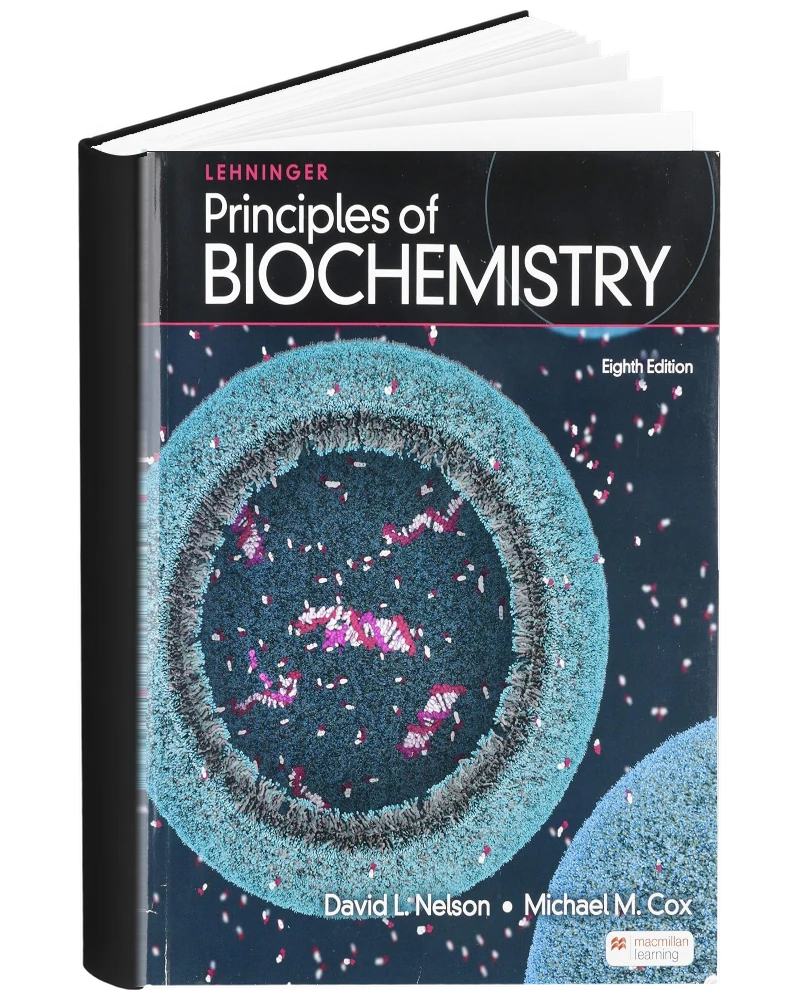
Lehninger Principles of Biochemistry 8th Edition PDF by David L. Nelson, Michael M. Cox & Aaron A. Hoskins is offered here as a PDF eBook. The eighth edition presents the molecular foundations of life through a detailed study of biomolecular structure, enzymes, metabolism, membranes, signaling and the flow of genetic information. It explains protein structure and catalysis, carbohydrate and lipid metabolism, oxidative phosphorylation, metabolic regulation, DNA replication, transcription, translation and molecular biology techniques while emphasizing how these processes operate together in living cells. Updated examples and problem-solving features help students connect chemical principles with biological function. The book is especially useful for undergraduate biochemistry, biology and chemistry students who need a rigorous foundation before advanced work in molecular biology, medicine or biomedical research.
Designed for biochemistry, biology, chemistry, and biomedical science students, this edition provides a structured resource for understanding how molecular structure, chemical reactions, and regulated information flow sustain life.
This listing is for the 8th edition of Lehninger Principles of Biochemistry. Check the title, edition, authors/editors, and other product information before ordering if you need the book for a particular course, syllabus, examination, or professional reference.
About Lehninger Principles of Biochemistry
Lehninger Principles of Biochemistry connects the chemistry of biological molecules with the processes that make cells function. Its organization moves through structure and catalysis, bioenergetics and metabolism, and information pathways. Readers encounter proteins and enzymes before following the transformations of carbohydrates, lipids, and amino acids, then examine DNA, RNA, and protein metabolism. This sequence gives the subject a chemical foundation while making relationships between different cellular activities visible. The eighth edition emphasizes fundamental principles and uses revised figures and problems to support first encounters with biochemistry. It is particularly relevant to courses that combine molecular mechanisms with metabolic regulation.
Molecular Structures and Pathways Inside
The 8th edition covers the following areas:
- Proteins and enzymes: Relate molecular conformation to binding, biological function, and catalysis.
- Carbohydrates and glycobiology: Examine sugars and their structural and functional roles.
- Membranes and biochemical signaling: Connect lipid organization, transport, and cellular communication.
- Carbohydrate metabolism: Follow glycolysis, gluconeogenesis, glycogen metabolism, and the pentose phosphate pathway.
- Energy conversion: Study the citric acid cycle and oxidative phosphorylation.
- Lipid and amino acid metabolism: Explore catabolism, biosynthesis, and metabolic integration.
- Information pathways: Examine DNA, RNA, protein metabolism, and gene expression.
Using Lehninger as a Biochemistry Reference
The value of this textbook lies in connecting individual pathways to a common chemical explanation. A reader comparing enzyme function with carbohydrate metabolism can return to the structural and catalytic chapters rather than treating a pathway as an isolated sequence. Its separate treatment of information pathways also supports the transition from introductory chemistry to molecular biology. For coursework, the breadth of coverage makes it useful when a syllabus spans macromolecules, energy metabolism, and gene expression in the same sequence. For laboratory trainees, the discussions provide conceptual background for interpreting biochemical processes and molecular methods. Instructors can draw on its organization to explain relationships across these areas.
Who uses this book
- Undergraduate Biochemistry Students
- Biology Majors
- Chemistry Majors
- Biomedical Science Students
- Pre-Medical Students
- Graduate Students Reviewing Biochemical Foundations
- Students Preparing for Molecular Biology Coursework
- Biochemistry Instructors
Also suitable for other life-science learners who need a comprehensive molecular framework linking biomolecules, metabolism, signaling and genetic information.
Key Topics Covered
- Amino acids and peptides
- Protein folding and function
- Enzyme catalysis
- Carbohydrates and glycobiology
- Nucleotides and nucleic acids
- Membrane transport
- Biochemical signaling
- Glycolysis and gluconeogenesis
- Citric acid cycle
- Oxidative phosphorylation
- Lipid biosynthesis
- Hormonal regulation of metabolism
- DNA and RNA metabolism
- Gene expression
PDF Edition Features
- Searchable reading: Quickly locate names, concepts, conditions, terminology, and other material with a compatible PDF reader.
- Highlighting and notes: Use annotation, bookmarking, and highlighting features supported by your chosen PDF application.
- Flexible access: Read the eBook on compatible computers, tablets, and mobile devices.
- Edition identification: Check the edition and product information before ordering to ensure it matches your requirements.
- Instant access: After successful payment, the download link is available through your order and sent to the email address used at checkout.


Reviews
There are no reviews yet.