Surgery & Anesthesia Books: Core Texts, Operative References and Review Resources
· admin
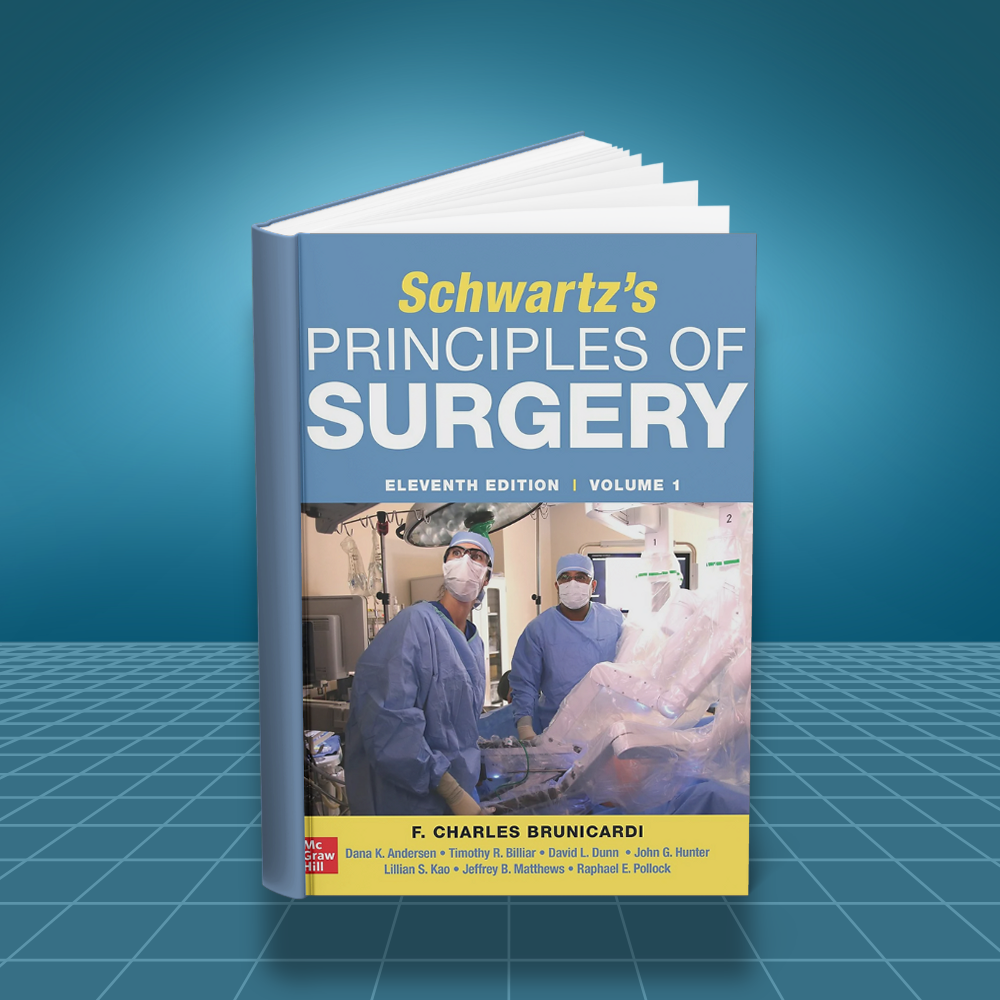
Surgery and anesthesia references serve very different purposes. A broad surgery text explains diagnosis, indications, perioperative decision-making, and complications; an operative reference focuses on technique; an anesthesia text emphasizes physiology, pharmacology, airway management, and perioperative risk. Choosing the right book starts with the task you need to perform.
For comprehensive surgery
Texts such as Schwartz’s Principles of Surgery are designed to connect surgical disease, evaluation, operative indications, perioperative care, and complications across major specialties. They suit students and residents who need a broad framework rather than a procedure-only atlas.
For operative technique
Procedure-focused references are most useful when you already understand the diagnosis and need to review anatomy, setup, sequence, instruments, technical choices, and complication avoidance.
For anesthesia
- Foundational anesthesia: physiology, pharmacology, equipment, monitoring, and perioperative management.
- Procedure-specific anesthesia: planning around the operation, comorbidities, positioning, blood loss, and postoperative needs.
- Critical-event review: airway problems, hemodynamic instability, difficult emergence, and urgent management.
Choose by training stage
Medical students generally need a broad surgery text; residents and fellows often add specialty procedure books; anesthesia trainees benefit from a core reference plus a compact clinical manual for rapid review.
Leave a Reply